

About Hearing Care
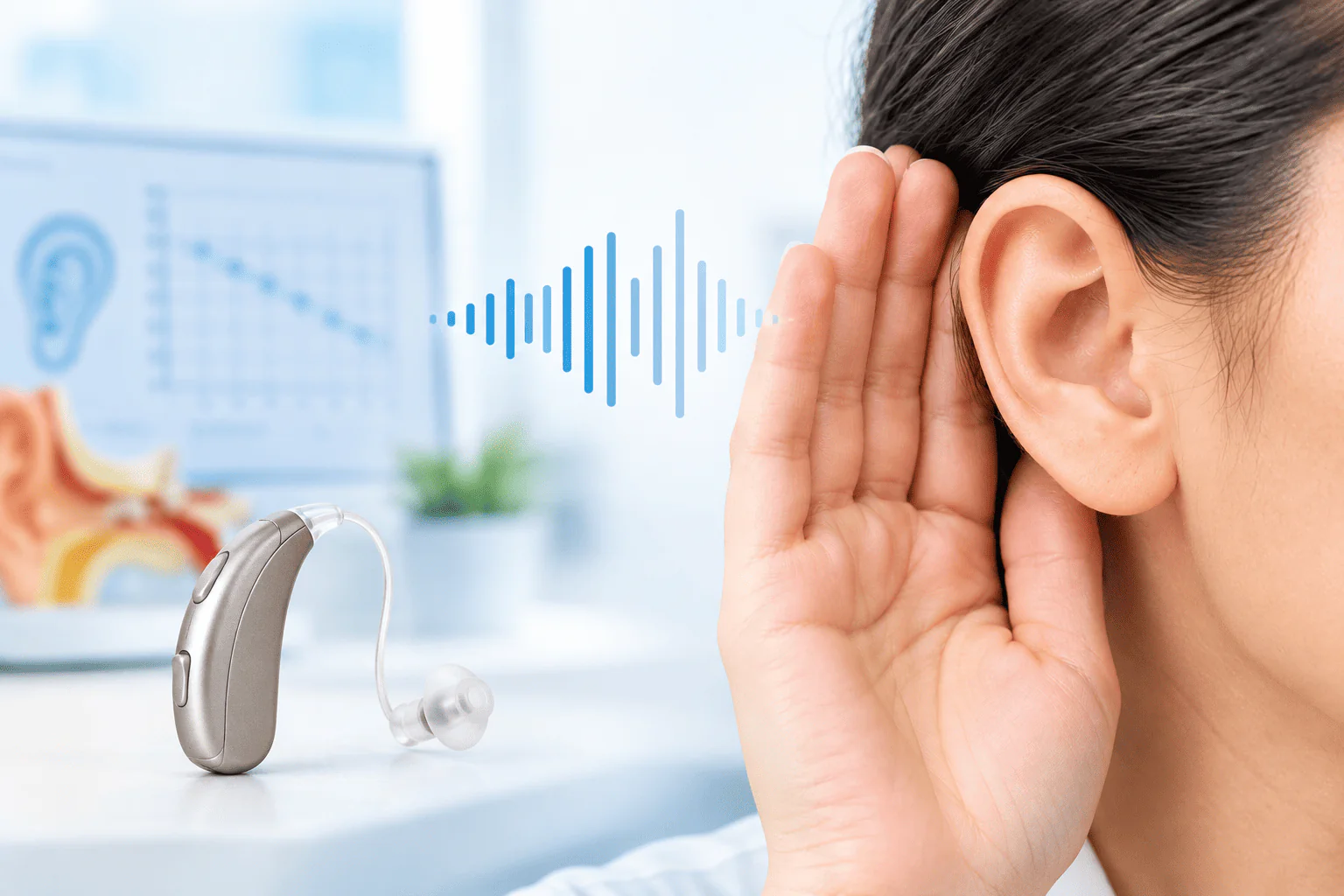
Hearing connects us to the people and the world around us. It depends on the outer ear, the eardrum, the tiny bones of the middle ear and the inner ear nerve all working together. When any part is affected, you may notice muffled sounds, trouble following conversations, ringing in the ears, ear fullness or pain, discharge, dizziness, or the need to turn the volume up.
At Centosa, our ENT specialists and audiologists work together to find the cause of hearing and ear problems. We use ear examination, audiometry and other hearing tests to reach an accurate diagnosis in both children and adults. We then offer personalized treatment, from ear cleaning and medicines to hearing aids, hearing rehabilitation and ear surgery when needed.
Hear the moments that matter. Early testing and the right care keep you connected.
Hearing Care
Accurate hearing tests, hearing aids, tinnitus care and balance assessment for children and adults, with personalized solutions from our audiology team.
 01
Hearing tests & audiometry
Accurate hearing tests for adults and children.
View detailsA hearing test shows how well each ear hears different sounds and speech. It is quick, painless and done in a sound-treated room by our audiologist.
Tests we offer
- Pure tone audiometry (PTA)
- Speech audiometry
- Impedance / tympanometry
- OAE (otoacoustic emissions)
- BERA / ABR when needed
When to get tested
- Difficulty hearing conversations
- Turning up the TV volume
- Ringing in the ears
- Ear block or fullness
- Before a hearing aid trial
What to expect
- Test takes about 30 to 45 minutes
- Results explained the same day
- A written report for your records
 02
Hearing loss evaluation
Find the type and degree of hearing loss and the right solution.
View detailsHearing loss can come on slowly with age or noise, or suddenly. Finding its type and degree helps us choose the right next step, from simple care to a hearing aid.
Common signs
- Asking people to repeat
- Trouble hearing in noise
- Muffled sounds
- Missing high-pitched sounds
- Hearing better on one side
Common causes
- Age-related hearing loss
- Long-term noise exposure
- Ear infections or wax
- Sudden hearing loss
How we help
- Detailed hearing tests
- Clear explanation of the results
- Hearing aid advice when suitable
- Referral for medical care when needed
Sudden hearing loss in one ear is urgent. Get it checked within 48 hours.
 03
Hearing aids & fitting
Trial, fitting and fine-tuning of modern hearing aids.
View detailsModern hearing aids are small, comfortable and can be fine-tuned to your hearing. We help you choose, fit and get used to the right one for your needs and budget.
Our hearing aid service
- Hearing aid trial before you buy
- Behind-the-ear and in-the-ear options
- Rechargeable and Bluetooth models
- Custom programming to your test
After fitting
- Fine-tuning visits
- Cleaning and maintenance
- Repairs and servicing
- Regular hearing checks
 04
Tinnitus management
Help for ringing, buzzing or humming in the ears.
View detailsTinnitus is a ringing, buzzing or humming sound in the ears without an outside source. It is common and often linked to hearing loss, and it can be managed well.
Common symptoms
- Ringing or buzzing sound
- Sound in one or both ears
- Worse at night or in quiet
- Trouble sleeping or focusing
How we help
- Hearing tests to find the cause
- Tinnitus assessment
- Sound therapy and counselling
- Hearing aids with tinnitus programs
 05
Child hearing screening
Hearing checks for newborns, infants and children.
View detailsGood hearing is key to speech and learning. Early hearing checks help find problems in time, so children get the right support as early as possible.
Signs to watch for
- Not responding to sounds
- Delayed speech
- Not following instructions
- Turning up the TV volume
- Poor attention in class
Tests for children
- Newborn hearing screening (OAE)
- BERA / ABR for infants
- Play audiometry for young children
- Impedance for middle ear fluid
If your child is not responding to sounds, get a hearing check early.
 06
Balance & dizziness assessment
Tests to find the cause of dizziness and imbalance.
View detailsThe inner ear helps control balance. Dizziness, spinning (vertigo) or unsteadiness can come from the ear, and simple tests can help find the cause.
Common symptoms
- Spinning sensation (vertigo)
- Unsteadiness while walking
- Dizziness on turning the head
- Nausea with dizziness
How we help
- Balance and vestibular tests
- Hearing tests alongside balance checks
- Repositioning exercises when suitable
- Vestibular rehabilitation exercises
Our Approach
Accurate Testing. Personalized Treatment. Better Hearing.
-
Consultation & Ear Examination
Understanding your symptoms and hearing history, with a detailed ear, nose and throat exam
-
Hearing Tests & Diagnosis
Audiometry, middle ear tests and other hearing assessments to find the exact cause
-
Personalized Treatment Plan
Medicines, hearing aids, hearing rehabilitation or ear surgery, tailored to your condition
-
Follow-up & Long-term Care
Hearing aid fitting and adjustment, regular reviews and ear care guidance