Home› ENT & Audiology› Digital Hearing Aids

Digital Hearing
Aids

Advanced digital hearing aids, carefully selected, fitted and programmed to your hearing test results, so you can follow conversations, TV and everyday sounds more clearly.

Hearing Test &
Consultation

Digital Hearing Aid
Selection & Fitting

Programming &
Follow-up Care

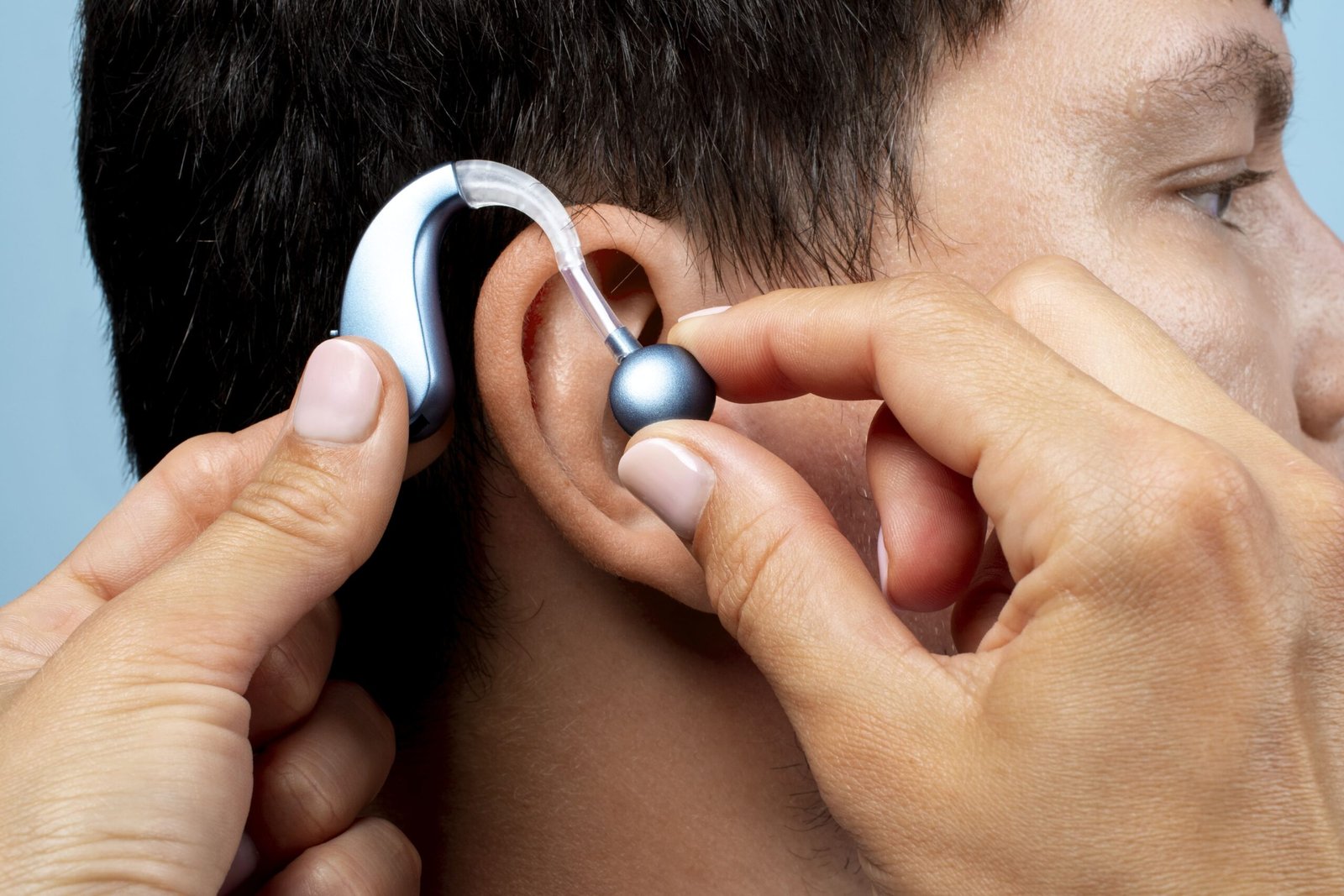
Modern digital hearing aids shown beside an audiologist's fitting tools

About Digital Hearing Aids

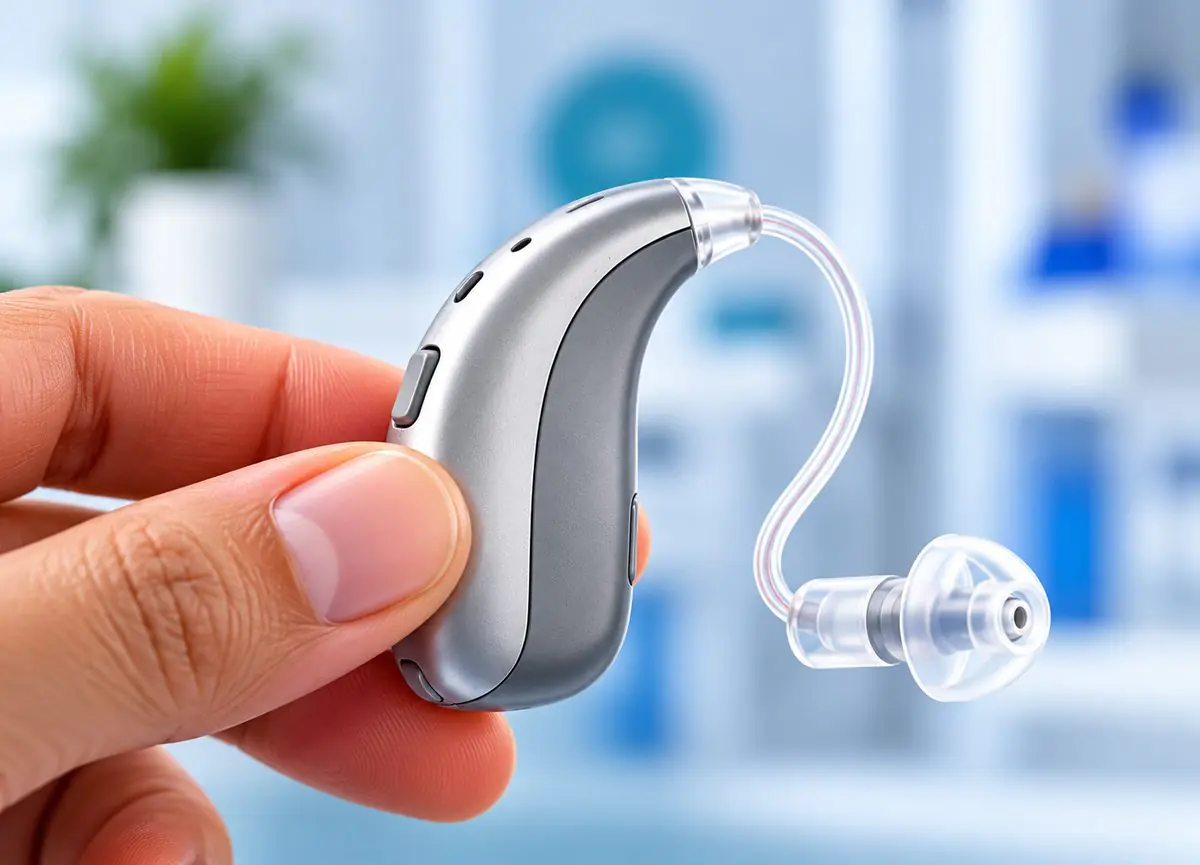
A digital hearing aid is a small, discreet device worn in or behind the ear. It picks up sound with a microphone, processes it with a digital chip and delivers clearer, louder sound into the ear. Unlike basic amplifiers, which make everything louder, digital hearing aids are programmed to boost the pitches you struggle with, reduce background noise and help you follow speech.

At Centosa, our audiologists begin with a full hearing assessment and a discussion of your lifestyle, budget and needs. We then help you choose the right style and technology, fit the device comfortably and program it to your hearing test results.

Hear the conversation, not just the noise. The right fit helps you rejoin every moment.
Conditions We Treat

We assess hearing and fit digital hearing aids for a wide range of hearing problems, including:

Age-Related Hearing Loss

(Gradual Loss of Hearing With Age)

Noise-Induced Hearing Loss

(After Long Exposure to Loud Sound)

Sensorineural Hearing Loss

(Inner Ear or Hearing Nerve Damage)

Mixed Hearing Loss

(Middle Ear & Inner Ear Problems Together)

Hearing Loss in One Ear

(Trouble Hearing From One Side)

Hearing Loss in Children

(Delayed Speech & Learning Difficulty)

Tinnitus With Hearing Loss

(Ringing Along With Reduced Hearing)

Trouble Hearing in Noise

(Hard to Follow Speech in Crowds)

Audiologist programming a digital hearing aid for a patient

Our Approach

Accurate Testing. Right Fit. Clearer Hearing.

  • Consultation & Hearing History

    Understanding where you struggle to hear, your daily routine and your expectations, with a detailed ear examination

  • Hearing Assessment

    Hearing tests and speech tests to measure the type and degree of your hearing loss and confirm that a hearing aid is right for you

  • Selection & Fitting

    Choosing the style and technology that suit your hearing, lifestyle and budget, then fitting and programming it to your test results

  • Training & Follow-up

    Guidance on using and caring for your hearing aids, fine-tuning as you adjust, and regular check-ups to keep them working well

Treatment Options

Advanced Treatments & Solutions

From accurate testing to clearer everyday hearing, we offer modern digital hearing aid solutions matched to your type of hearing loss, lifestyle and budget, including:

Hearing Assessment & Evaluation

Detailed hearing and speech tests that show the type and degree of your hearing loss and help decide whether, and which, hearing aid will help you.

Digital Hearing Aid Technology

Choose from behind-the-ear, receiver-in-canal and custom in-the-ear styles, with features such as noise reduction, directional microphones, rechargeable batteries and Bluetooth.

Custom Fitting & Programming

A comfortable fit and careful programming to your hearing test results, with fine-tuning as you get used to the new sounds.

Aftercare & Hearing Rehabilitation

Regular check-ups, cleaning and servicing, plus counselling and listening practice to help you get the most from your hearing aids.

Take the First Step
Towards Clearer Hearing

Get expert care for hearing loss, with accurate testing and digital hearing aids fitted and programmed for you, so you can follow conversations and enjoy everyday sounds again.

Book an Appointment

Frequently Asked Questions

Find answers to common questions about hearing loss and digital hearing aids.

When should I get my hearing checked or consider a hearing aid?
Get your hearing tested if you often ask people to repeat themselves, struggle to follow conversations in noisy places, turn the TV volume up, find phone calls hard, or feel that people mumble. A hearing aid is usually advised when hearing loss affects your daily life and cannot be treated with medicine or surgery. Only a hearing test can confirm this. Seek care urgently if you lose hearing suddenly in one or both ears, as early treatment gives the best chance of recovery.
What is a digital hearing aid and how does it work?
A digital hearing aid is a small device worn in or behind the ear. It picks up sound with a microphone, a digital chip processes the sound, and a tiny speaker delivers it into your ear. Unlike a basic sound amplifier that makes everything louder, a digital hearing aid is programmed to your hearing test results. It boosts the pitches you struggle with, reduces background noise and helps you hear speech more clearly. Many models also offer directional microphones, rechargeable batteries and Bluetooth connection to phones and TVs.
Which type of hearing aid is right for me?
The right choice depends on your type and degree of hearing loss, the shape of your ears, how well you can handle small buttons or batteries, your lifestyle and your budget. Behind-the-ear and receiver-in-canal models suit many types of hearing loss and are easier to handle. Custom in-the-ear and in-the-canal models sit inside the ear and are less visible. Your audiologist will explain the options after your hearing test and help you choose. Most people with hearing loss in both ears do best with two hearing aids.
Will a hearing aid restore normal hearing, and how long does it take to get used to?
A hearing aid makes sounds louder and clearer but does not restore normal hearing. At first, everyday sounds such as footsteps, paper rustling and your own voice may seem loud or strange. Most people take a few weeks to adjust, so wear your hearing aids regularly, starting in quiet places and building up. Follow-up visits let your audiologist fine-tune the settings to your comfort. Children and adults with hearing loss can both be fitted.
How do I look after my hearing aids, and how long do they last?
Clean your hearing aids daily with a soft dry cloth or the brush supplied, and change wax filters as advised. Keep them away from water, sweat, hair spray and heat, and store them in their case or a dry box at night. Charge or change batteries on time, and never try to repair them yourself. With good care and regular servicing, many hearing aids last around five years or more. Visit your audiologist for check-ups, and see them sooner if the sound becomes weak, distorted or uncomfortable.
Scroll to Top