
Home› ENT› Snoring & Sleep Disorders

Snoring &
Sleep Disorders

Expert evaluation and treatment for chronic snoring, obstructive sleep apnea and sleep-related breathing problems, so you and your family can finally sleep well.

Sleep Study &
Airway Evaluation

Sleep Apnea
Diagnosis & Therapy

Medical & Surgical
Care

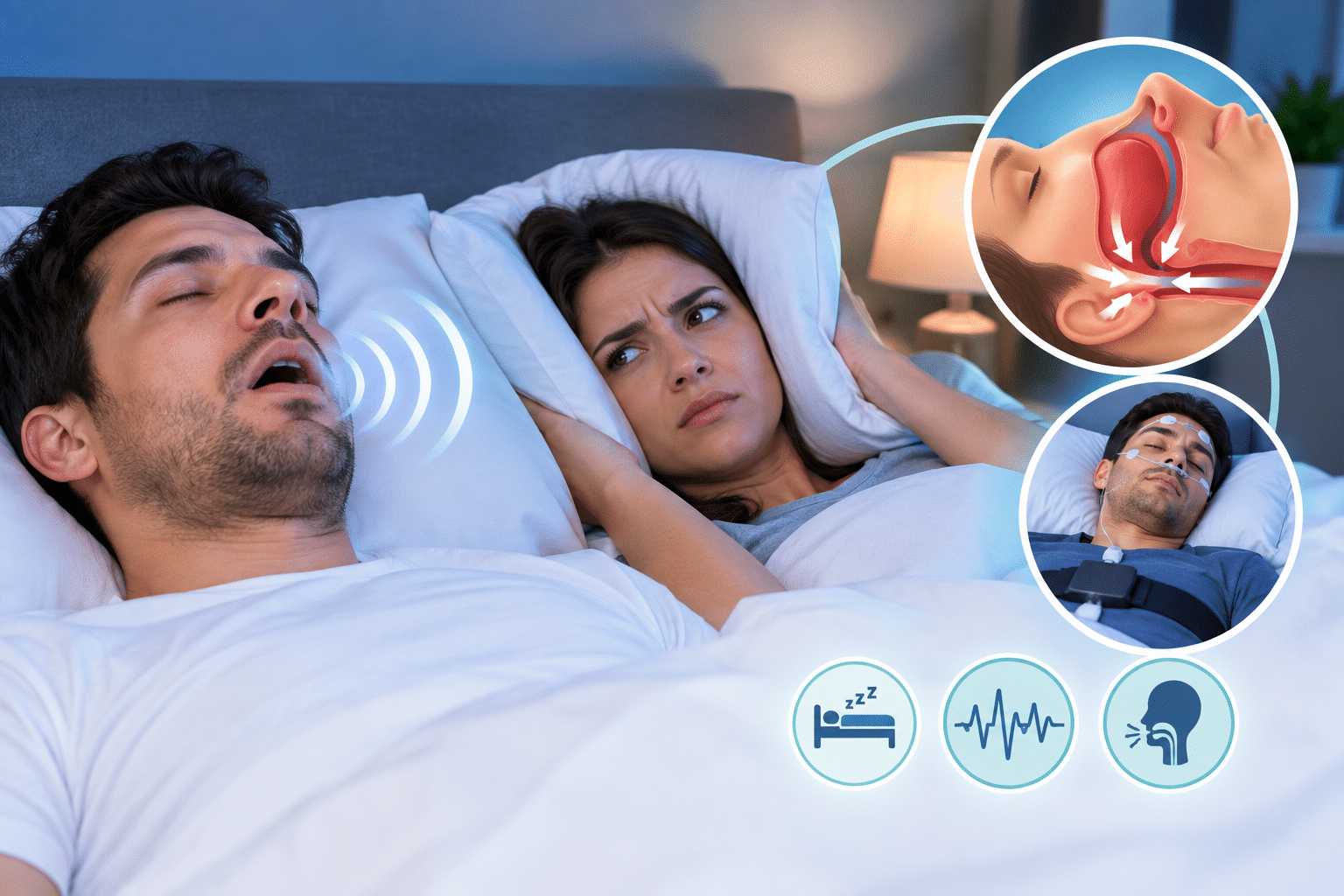
Illustration of the upper airway and throat related to snoring and sleep apnea

About Snoring & Sleep Disorders

Snoring is more than a nighttime noise. When the airway narrows or collapses during sleep, breathing is disturbed and the body does not get the deep, restful sleep it needs. Common signs include loud snoring, gasping or choking at night, morning headaches, dry mouth, daytime sleepiness, poor concentration and irritability.

At Centosa, our ENT specialists look at the whole airway, from the nose and palate to the tongue base and throat, to find exactly where the obstruction is. We use nasal endoscopy, airway assessment and sleep studies to diagnose snoring and obstructive sleep apnea. We then offer personalized treatment, from lifestyle guidance and medical therapy to advanced surgical correction when needed, for both children and adults.

Quiet nights and open airways lead to deeper sleep and brighter days.
Conditions We Treat

We diagnose and manage a wide range of snoring and sleep-related breathing conditions, including:

Habitual Snoring

(Loud & Noisy Breathing in Sleep)

Obstructive Sleep Apnea

(Pauses in Breathing During Sleep)

Upper Airway Resistance

(Disturbed Sleep Without Apnea)

Enlarged Tonsils & Adenoids

(Common Cause of Snoring in Children)

Deviated Septum

(Nasal Blockage & Turbinates)

Chronic Nasal Obstruction

(Blocked Nose & Mouth Breathing)

Soft Palate & Throat Narrowing

(Long Palate, Uvula & Tongue Base)

Daytime Sleepiness

(Fatigue, Morning Headaches & Poor Focus)

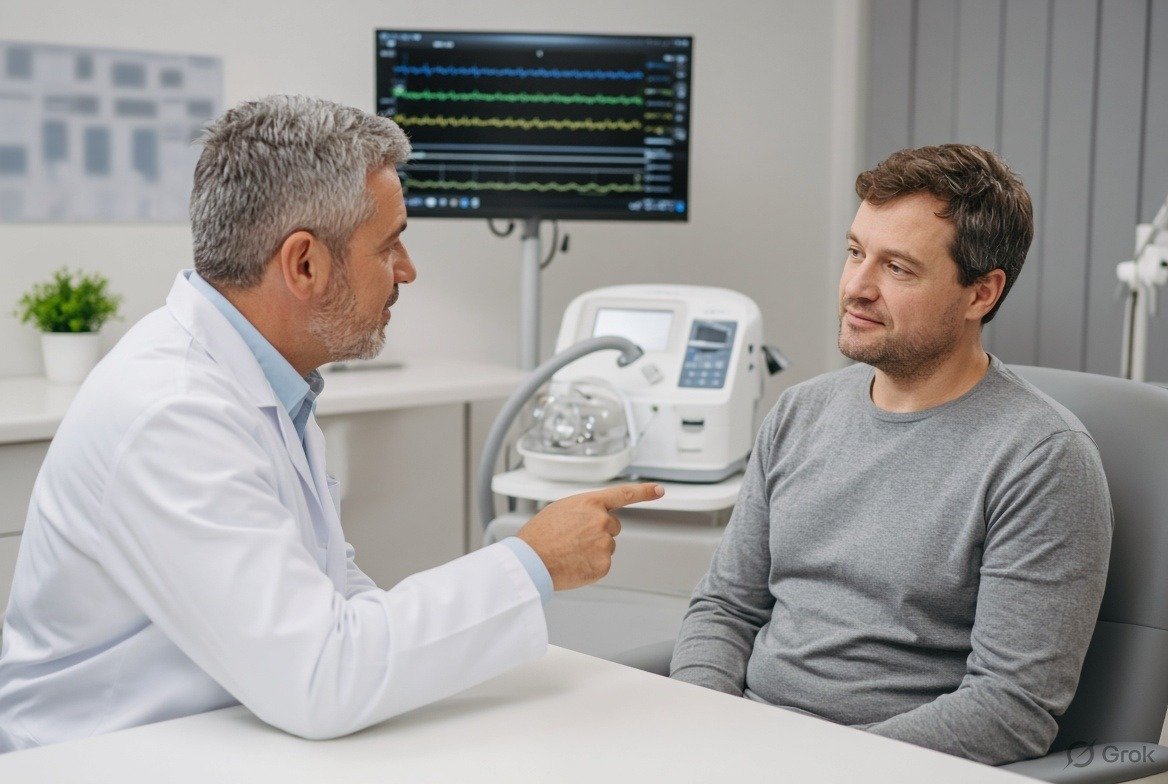
ENT specialist evaluating a patient's upper airway for snoring and sleep apnea

Our Approach

Accurate Diagnosis. Effective Treatment. Better Sleep.

  • Consultation & Sleep History

    Understanding your snoring, sleep pattern and symptoms, with a detailed nose, palate and throat exam

  • Airway Evaluation & Sleep Study

    Nasal endoscopy, upper-airway assessment and sleep study to find where and how the airway blocks

  • Personalized Treatment Plan

    Lifestyle guidance, medical therapy, CPAP or oral appliance, or surgery, tailored to your diagnosis

  • Follow-up & Long-term Care

    Regular reviews, therapy adjustment and sleep hygiene advice for lasting results

Treatment Options

Advanced Treatments & Solutions

From accurate diagnosis to long-term relief, we offer modern treatment options matched to the cause of your snoring or sleep apnea, including:

Sleep Study & Sleep Endoscopy

Accurate testing to confirm snoring or sleep apnea, measure its severity and show exactly where the airway narrows or collapses.

Medical & Lifestyle Management

Treating the nose and allergy factors that block breathing, with practical guidance on weight, sleep position and bedtime habits.

CPAP & Oral Appliance Therapy

Help choosing, fitting and getting used to the right device that keeps your airway open while you sleep.

Snoring & Sleep Apnea Surgery

Selected procedures to correct the site of obstruction when other treatments are not enough or not suitable.

Frequently Asked Questions

Find answers to common questions about snoring and sleep disorders.

When should I see an ENT doctor for snoring?
See an ENT specialist if you snore loudly most nights, if someone notices you stop breathing or gasp during sleep, or if you wake up with a dry mouth, a headache or an unrefreshed feeling. Daytime sleepiness, poor concentration and irritability are also warning signs. Children who snore regularly, breathe through the mouth or sleep restlessly should be checked too. Get evaluated promptly if you feel dangerously drowsy while driving or at work.
Is snoring the same as sleep apnea?
No. Snoring is the sound made when relaxed tissues in the nose and throat vibrate as you breathe. Obstructive sleep apnea (OSA) is a condition in which the airway repeatedly narrows or closes during sleep, causing pauses in breathing and broken sleep. Many people who snore do not have sleep apnea, but loud snoring with pauses in breathing and daytime tiredness suggests it may be present. A sleep study can tell the two apart.
What causes snoring?
Snoring happens when airflow is partly blocked somewhere between the nose and the throat. Common causes include a blocked nose from allergies or a deviated septum, enlarged tonsils or adenoids (especially in children), a long or floppy soft palate, excess weight, sleeping on your back, and alcohol or sedatives before bedtime. Finding the exact site of blockage is the key to choosing the right treatment.
How are snoring and sleep apnea diagnosed?
Diagnosis starts with a discussion of your sleep and symptoms, followed by an examination of the nose, palate and throat. Nasal endoscopy lets the doctor look at the upper airway in the clinic. A sleep study then records breathing, oxygen levels and sleep patterns to confirm whether sleep apnea is present and how severe it is. In some cases, sleep endoscopy is used to see exactly where the airway collapses.
Do I need surgery or CPAP for snoring and sleep apnea?
Not always. Many people improve with lifestyle changes such as weight management, sleeping on the side, avoiding alcohol close to bedtime and treating nasal allergies. For moderate to severe sleep apnea, CPAP or an oral appliance is often recommended. Surgery is considered when a specific blockage can be corrected, such as enlarged tonsils or adenoids, a deviated septum or a narrow palate, or when other treatments are not suitable or not tolerated. Your ENT specialist will advise the right option for you.
Scroll to Top