
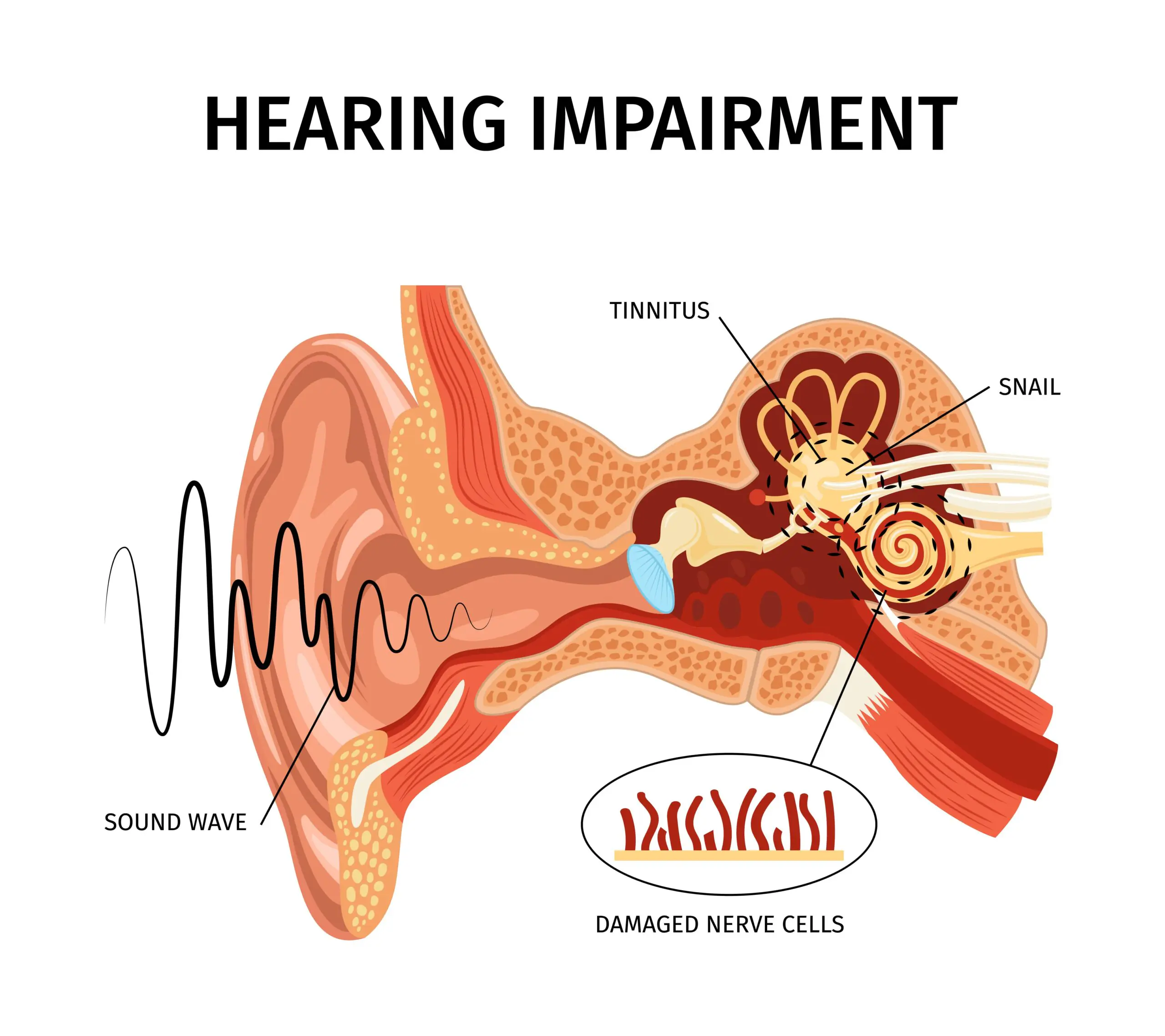
About Tinnitus
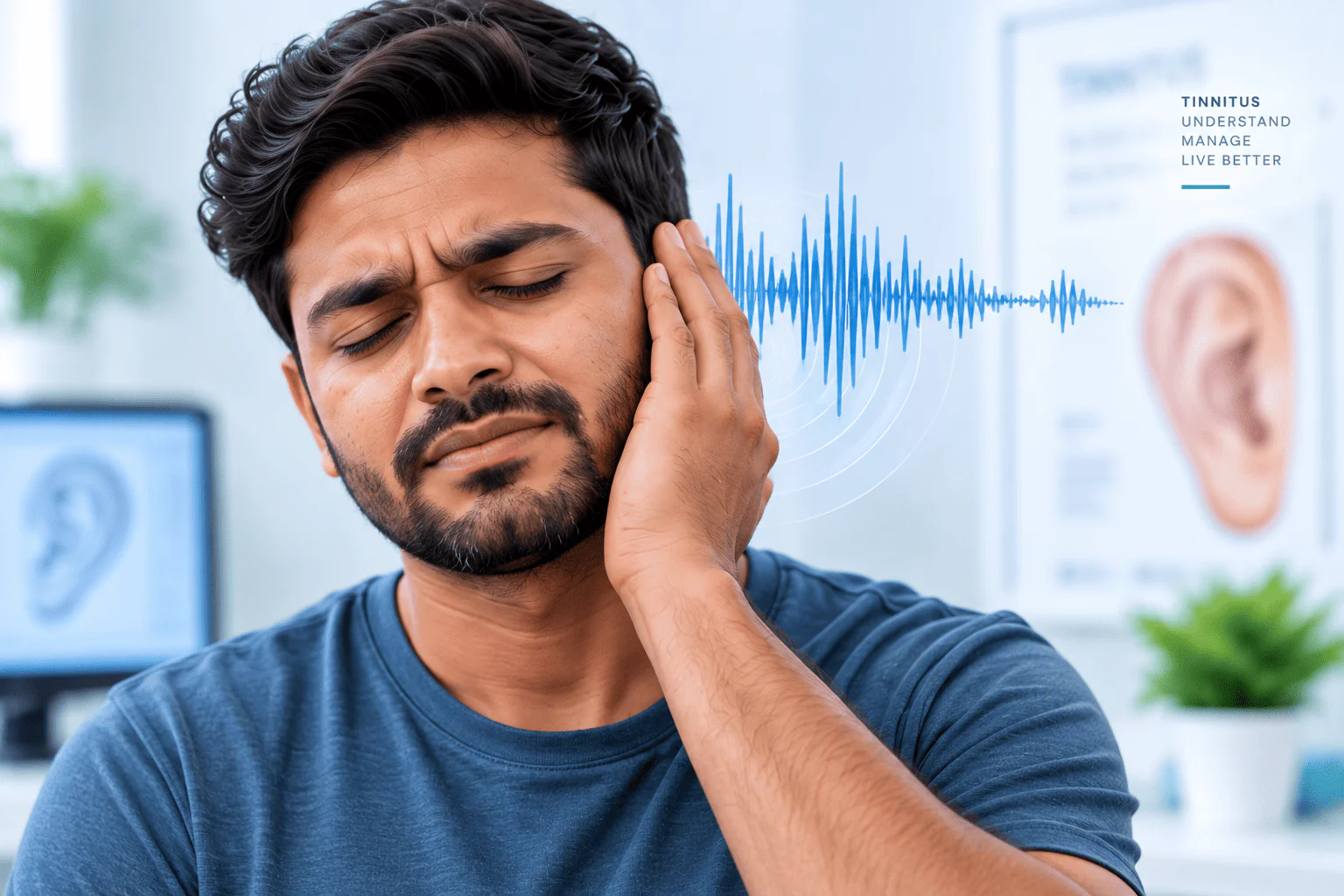
Tinnitus is the sensation of hearing a sound, such as ringing, buzzing, hissing, humming or clicking, when there is no outside source. It can be soft or loud, constant or occasional, and may affect one ear or both. Tinnitus is a symptom rather than a disease. It is often linked to hearing loss, long exposure to loud noise, ear wax, ear infections, certain medicines, stress or problems in the ear, and it can affect sleep, concentration and mood.
At Centosa, our ENT specialists and audiologists look for the cause of your tinnitus and rule out conditions that need treatment. We use a detailed history, ear examination and hearing tests to guide the diagnosis. We then offer personalized care, from treating the underlying ear problem to hearing aids, sound therapy, counselling and relaxation strategies that help you notice the sound less and get back to restful sleep and focus.
Find the cause, ease the noise. With the right care, the ringing can fade into the background.
Tinnitus Clinic
Detailed tinnitus assessment and personalised management, from precise sound measurements to sound therapy, tinnitus retraining and counselling, to help you live comfortably again.
 01
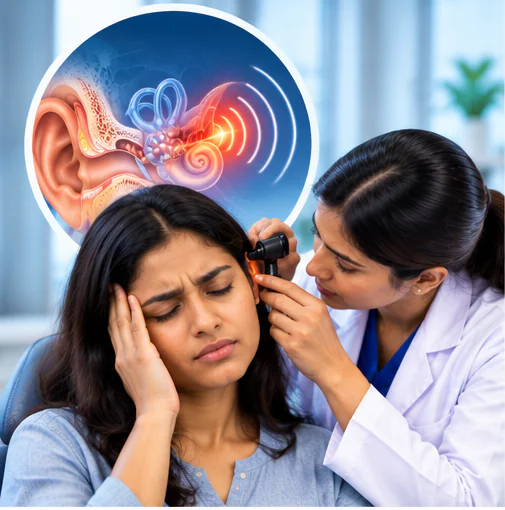
Tinnitus evaluation
A detailed look at your tinnitus and how it affects daily life.
View detailsEvery tinnitus is different. We start with a detailed history and standard questionnaires to understand your sound, its triggers and how much it affects your sleep, work and mood.
What we assess
- Detailed tinnitus history & case analysis
- Tinnitus Handicap Inventory (THI)
- Tinnitus Functional Index (TFI)
- Triggers, sleep and stress impact
Medical workup
- Differential diagnosis with our ENT team
- Ruling out retrocochlear causes
- Ruling out vascular causes
- Referral for scans when needed
Tinnitus in one ear only, or a pulsing sound, should always be checked.
 02
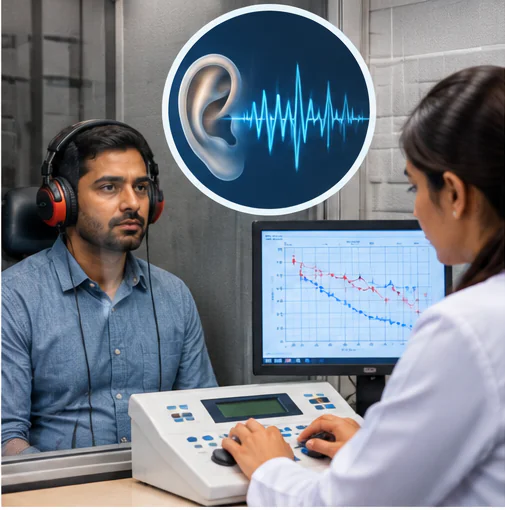
Hearing tests for tinnitus
Check your hearing, as tinnitus is often linked to hearing loss.
View detailsMost people with tinnitus have some degree of hearing loss, even if they have not noticed it. A full hearing test helps explain your tinnitus and guides the right management.
Tests we offer
- Pure tone audiometry
- Speech audiometry
- Both ears tested separately
- Results explained the same day
Why it matters
- Finds hidden hearing loss
- Shows which pitches are affected
- Helps choose sound therapy
- Guides hearing aid decisions
 03
Tinnitus measurement
Measure the pitch, loudness and masking level of your tinnitus.
View detailsSpecial listening tests match the pitch and loudness of the sound you hear. These measurements help plan your therapy and track your progress over time.
Tests we offer
- Tinnitus pitch matching
- Tinnitus loudness matching
- Minimum Masking Level (MML)
- Loudness Discomfort Level (LDL)
What to expect
- Simple, painless listening tests
- You signal when sounds match
- Results used to plan therapy
- Repeated to track progress
 04
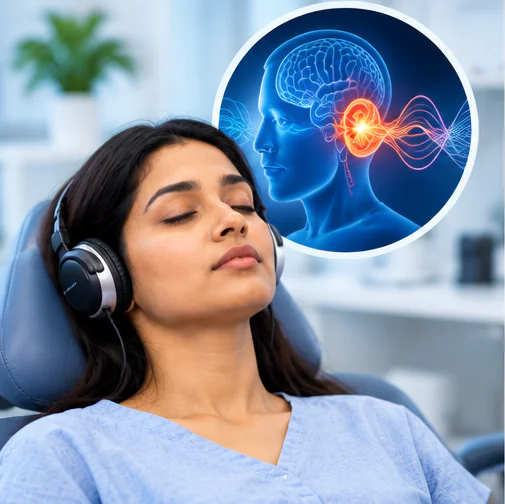
Sound therapy & TRT
Retrain the brain to notice tinnitus less, with guided sound therapy.
View detailsTinnitus Retraining Therapy (TRT) and sound therapy use gentle background sounds and guidance to help the brain tune out tinnitus, so it becomes less noticeable and less distressing.
Our therapies
- Tinnitus Retraining Therapy (TRT)
- Sound therapy
- Tinnitus maskers
- Personalised sound programs
How it helps
- Makes tinnitus less noticeable
- Reduces distress and anxiety
- Improves sleep and focus
- Gradual, lasting improvement
 05
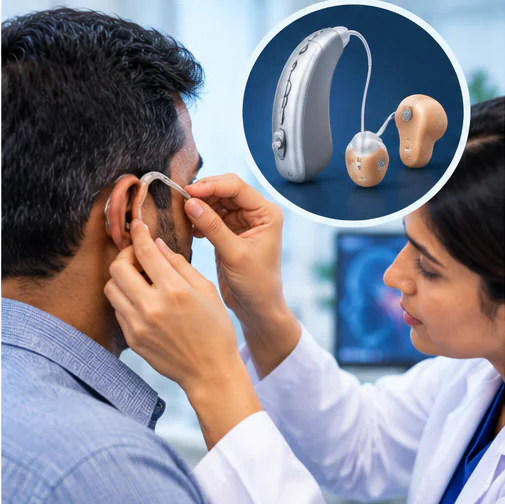
Hearing aids with tinnitus features
Modern hearing aids with built-in tinnitus relief programs.
View detailsWhen tinnitus comes with hearing loss, hearing aids with tinnitus masking features can improve hearing and ease tinnitus at the same time.
What we offer
- Hearing aids with tinnitus masking
- Built-in relief sound programs
- App control on your phone
- Trial before you decide
After fitting
- Fine-tuning visits
- Adjusting tinnitus programs
- Regular progress checks
 06
Counselling, relaxation & follow-up
Support to cope with tinnitus and regular progress checks.
View detailsUnderstanding tinnitus and learning to manage stress makes a big difference. We support you with counselling, relaxation guidance and regular follow-up.
Support we provide
- Cognitive behavioural counselling (adjunct)
- Relaxation guidance
- Stress management tips
- Sleep and lifestyle advice
Follow-up
- Regular progress monitoring
- Repeat questionnaires to track change
- Adjusting your plan as needed
Our Approach
Accurate Diagnosis. Targeted Relief. Quieter Living.
-
Consultation & Tinnitus History
Understanding what you hear, when it started and what makes it better or worse, with a detailed ear examination
-
Hearing & Tinnitus Tests
Hearing tests and tinnitus pitch and loudness matching to find the cause and rule out conditions that need treatment
-
Personalized Treatment Plan
Treating the underlying cause, hearing aids, sound therapy or medicines, tailored to your diagnosis
-
Counselling & Follow-up
Coping strategies, sleep and relaxation guidance, and regular reviews to help you notice the sound less over time